




Septic pumping is a crucial maintenance task that involves removing accumulated solid waste, sludge, and scum from the septic tank. Over time, solid waste builds up in the tank, forming a layer of sludge at the bottom and a layer of scum on top. If left unattended, these layers can reduce the capacity of the tank and lead to various problems, including:
- Clogs and Blockages: Excess solid waste can block the inlet or outlet pipes of the tank, causing backups and plumbing issues in the household.
- Overflow: When the sludge and scum layers take up too much space in the tank, liquid waste may not have enough room to properly settle and be treated. This can lead to sewage backups into the home or overflow onto the property.
- Odors: Accumulated waste in the tank can produce foul odors that permeate the surrounding area, making it unpleasant to be around the property.
- Septic System Failure: Without regular pumping, the septic system can fail, requiring costly repairs or replacement.
Regular septic pumping is necessary to prevent these issues and maintain the proper functioning of the septic tank system. The frequency of pumping depends on various factors, including the size of the tank, the number of occupants in the household, and the volume of wastewater generated. Generally, septic tanks should be pumped every three to five years, but it’s essential to consult a professional to determine the appropriate pumping schedule for your specific situation.
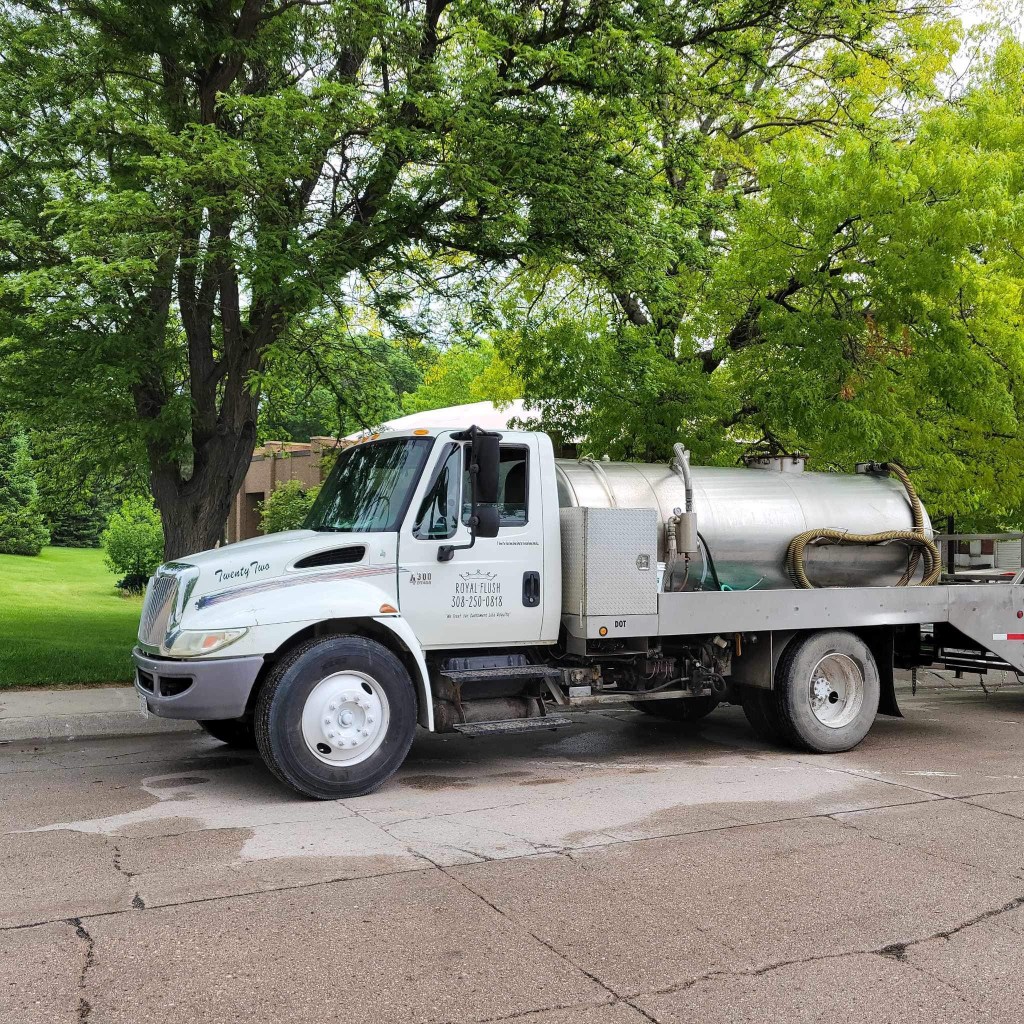


 royalflushsanitation.com